
Article
Healthcare REITs: 2026 Outlook
Explore the 2026 outlook for healthcare REITs and where opportunity is emerging for investors.

Read this article to learn how to determine the appropriate rent price for your veterinary practice, to ensure fair and sustainable payments.

As a veterinary real estate owner, establishing an appropriate rent metric is crucial when leasing your property.. In this article, targeted towards veterinary real estate owners, particularly retiring veterinarians looking to sell, lease, or expand their practice, we will explore the concept of rent metrics. We will discuss factors to consider when determining rent, introduce the triangulation method for rent determination, provide a real-life example, highlight rent benchmarks for veterinary clinics, and present best practices for setting rent. Finally, we will explain how Terravet, as an experienced professional, can assist you in navigating the complexities of rent determination.
Rent metrics are quantitative measures used to determine appropriate rental rates for a property. They consider various factors, such as location, property size, condition, market demand, and tenant expectations. By using rent metrics, veterinary real estate owners can set rents that align with market conditions and ensure a fair return on investment.
Different calculation methods are used to determine rent metrics for veterinary real estate, such as the “Triangulation” method, which refers to using the following three rent metrics:
By utilizing these three rent metrics together, practice owners can better understand the appropriate rent metric for their veterinary real estate. The triangulation approach provides a balanced perspective, taking into account the practice’s financial capacity, market conditions, and industry benchmarks. It helps ensure that the rent metric is fair, sustainable, and aligned with the practice’s needs and the local market dynamics.
Let’s consider an example of Dr. Anderson, a veterinary practice owner, using the triangulation method to determine the appropriate rent for his property. Dr. Anderson analyses three rent metrics: rent as a percentage of sales, market rent, and coverage ratio. After reviewing his practice’s financial records, conducting market research on comparable properties, and assessing his practice’s financial performance, Dr. Anderson finds that the rent as a percentage of sales is 8%, the market rent is $3,500 per month, and the coverage ratio allows for a maximum rent of $4,000 per month. By triangulating these metrics, Dr. Anderson determines that a rental rate of $3,500 per month would be fair, competitive, and sustainable for his veterinary real estate.
To ensure a fair and successful rental agreement, consider the following best practices:
Terravet, as an experienced professional in veterinary real estate, understands the challenges faced by veterinary practice owners when it comes to rent determination. We can provide valuable assistance and guidance in navigating the complexities of rent metrics. Our team of experts can help you analyse market data, evaluate property features, and leverage our industry knowledge to establish a fair and competitive rental rate.
Determining an appropriate rent metric is crucial for veterinary real estate owners. By considering factors such as location, property features, market demand, and comparable properties, owners can set rents that align with market conditions and ensure a fair return on investment. The triangulation method offers a practical approach to rent determination, allowing owners to consider market research, property evaluation, and tenant expectations. Terravet, as an experienced professional in veterinary real estate, can provide the guidance and support you need to navigate the complexities of rent determination. Contact Terravet today and let us assist you in maximizing the value of your veterinary real estate investment.
Explore the 2026 outlook for healthcare REITs and where opportunity is emerging for investors.

Learn how to leverage your healthcare real estate to drive practice growth, with key insights on everything from location to expansion opportunities.
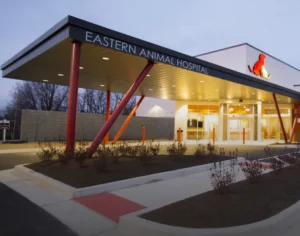
Terramed continues to expand our veterinary real estate portfolio. Read more about our latest acquisitions.

Read about our brand expansion and hear what this update means for the opportunities we can offer you.

Gain expert real estate insights into the evolving veterinary industry with Aisha Sladek of Terravet.

Discover five key trends shaping the veterinary real estate market in 2025. Learn how to maximize property value and secure financial growth.